From Farm to Table: The Real Story Behind the Food Filipino Families Eat Every Day
I used to think grocery shopping was the beginning of the food story.
You walk in, you pick up the aminos or the suka or the bag of rice, you pay, you go home. The meal happens. Done.
It took learning about a coconut farm in Palawan to make me realize I had been walking into the middle of a very long story and calling it the start.
The part we don’t usually see
Before anything reaches our kitchen, before the wet market, before the supermarket shelf, before the delivery rider hands it to us at the door, someone wakes up early for it.
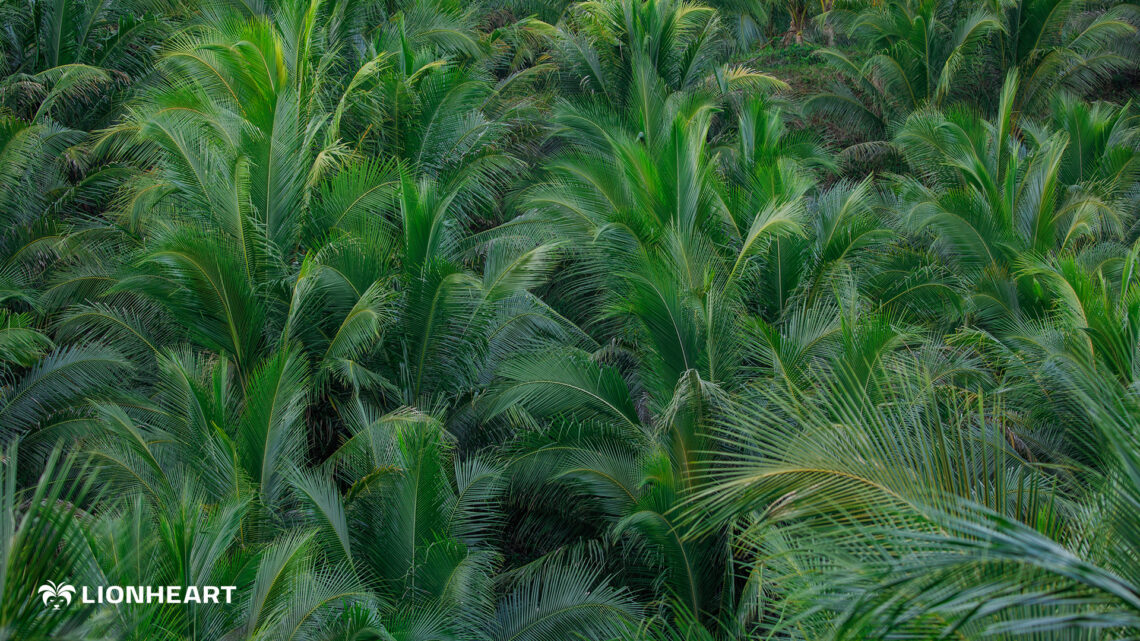
In Rizal, Palawan, that someone is a coconut farmer who climbs to the crown of a palm tree before the heat settles in. Not for the coconut. For the flower, a sap rich blossom that, tapped gently at dawn, slowly fills a small container with sweet nectar. Then he moves to the next tree. And the next. Twice a day, every day.
That nectar eventually becomes the coconut aminos you use in your adobo, the syrup you stir into your morning coffee, the vinegar in your sawsawan.
Most of us never make that connection. I didn’t either, until recently.
Why the gap exists and why it matters to our families
Here is something that stayed with me: farmers are the first and most important part of the food chain, but they often capture the smallest share of its value.
By the time a product travels from farm to collector to trader to distributor to store shelf, the person who started it all, the one who did the earliest, hardest, most essential work has already been paid and moved on. What they received rarely reflects what their labor was actually worth.
For families in rural farming communities, this is not an abstract economic issue. It is the difference between a child staying in school or not. Between a family having a buffer for a bad harvest or not. Between a community growing or slowly hollowing out.
As someone who thinks a lot about family, what we feed our kids, where things come from, what kind of world we are quietly building for them, this started to feel personal.
What a different model looks like
Lionheart Farms in Rizal, Palawan is one of the clearest examples I have seen of what happens when the chain is built differently.
They work with more than 5,000 farming families using regenerative methods, no synthetic chemicals, soil that gets healthier every year, a slower and more patient way of growing. The coconut flower sap their farmers harvest gets turned into finished, branded products: CÓCOES coconut aminos, syrup, and vinegar, and The Power of SLOW coconut nectar drinks.
Because value is added close to the source, more of it stays there. The municipality’s poverty rate dropped from around 65 percent to about 25 percent. That number represents real families, kids in classrooms, parents with steadier income, communities that can plan for the future instead of just surviving the present.
That is what a better food chain looks like in practice.
The small thing that actually helps
I am not here to make anyone feel guilty about their grocery habits. That is not the point and it is not useful.
But I do think there is something genuinely powerful about knowing the story behind what you buy and then occasionally, when it is easy and accessible, choosing the version of a product that came from somewhere intentional.
Coconut aminos instead of regular toyo. Coconut flower syrup in your kape instead of refined sugar. A suka that was naturally fermented by a family in Palawan instead of mass-produced in a factory.
These are not dramatic lifestyle overhauls. They are small swaps that taste good, work in the dishes you already cook, and connect your everyday kitchen to a supply chain that was built to actually take care of the people in it.
The next time you sit down with your family
Food is one of the most consistent ways we take care of the people we love. We think about it, plan it, prepare it, share it. There is already so much intention in that act.
Knowing a little more about where it starts and choosing, when we can, to support the people at the beginning of that chain is just one more small way of extending that care outward.
Every meal has a story. And some of those stories are worth knowing.
FarmyHub is a Philippine platform connecting local farmers and producers with buyers nationwide. Lionheart Farms’ CÓCOES and The Power of SLOW products will be available on FarmyHub soon.


You May Also Like

Sharp celebrates its 110 years of transforming lives

Sharp essentials to consider this holiday season
