When Someone You Love Quits Drinking: Why Sleep and Mood Can Stay Rocky for Months
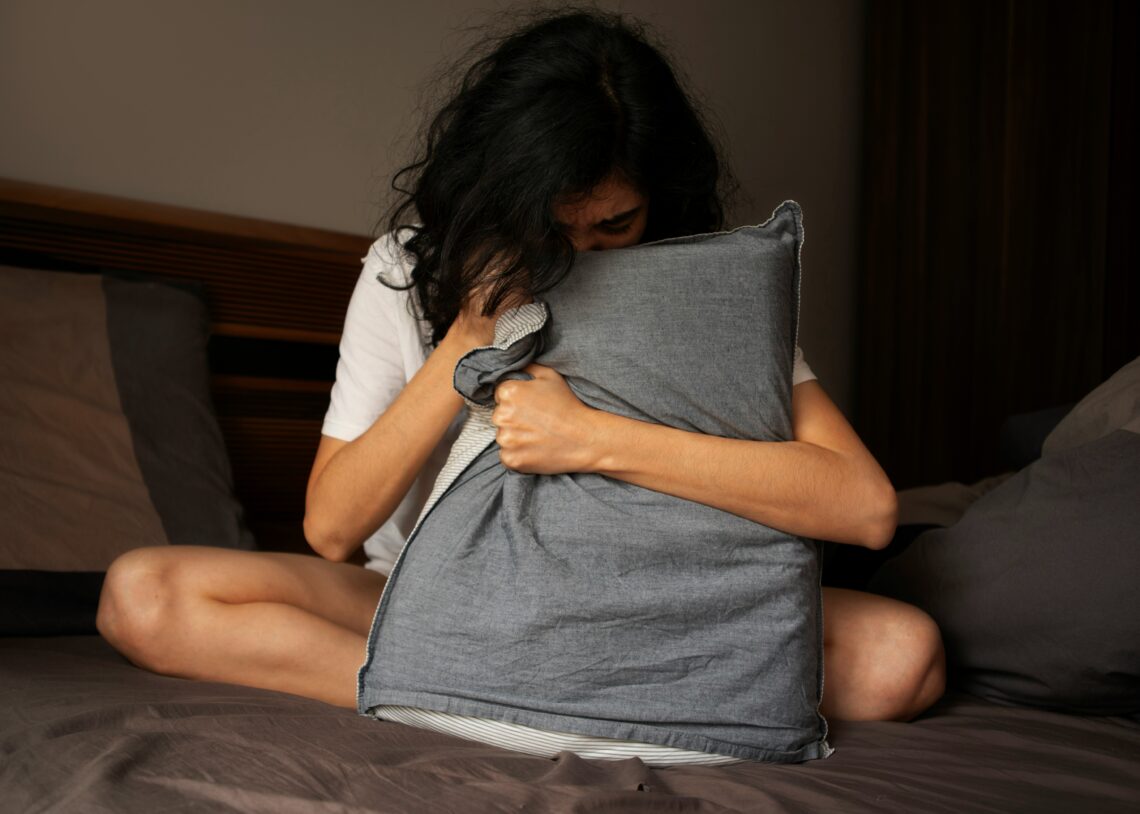
Marisol had been counting the weeks since her brother Ben came home. Six weeks sober, then eight. She’d expected relief, and there was some, but there was also a version of her brother she didn’t recognise: irritable at breakfast, flat by lunchtime, awake at 3 a.m. when she saw the kitchen light on through the wall. “I thought the hard part was over,” she told a friend. “Why does he seem worse?”
If you’ve been in Marisol’s place, supporting someone through the early months of recovery and wondering whether something has gone wrong, it helps to know that this stretch is more common than most people expect. It doesn’t usually mean failure. It often means the body and mind are still catching up.
The Part Nobody Warns You About
Most of us imagine recovery as a clean line: stop drinking, feel better. In practice, the first few days and weeks get most of the attention, and what comes after tends to get far less. But for many people, the weeks and months that follow include a different kind of difficulty. It’s quieter and less dramatic, and it can be harder to explain: poor sleep, a low or edgy mood, difficulty concentrating, low energy.
These aren’t character flaws, and they aren’t a sign that someone isn’t trying. They’re part of what happens when a brain and body that adjusted to alcohol are learning to work without it.
A quick note of caution: anyone who drinks heavily should talk to a doctor before stopping suddenly, because stopping on your own can be unsafe. This article is about what comes afterwards, not about how to quit.
What the Research Shows About Sleep
Sleep is one of the most commonly reported difficulties in early recovery, and it’s well documented. A SAMHSA publication, Treating Sleep Problems of People in Recovery From Substance Use Disorders (2014), notes that reported rates of sleep problems among people with alcohol use disorder in treatment range from 25 to 72 percent.
It also makes a point that surprises many families: some people in recovery may continue to have sleep problems for weeks, months, or sometimes years after they start abstaining. The same publication notes that people going through opioid detoxification often report insomnia, and that in one cocaine-withdrawal study, three-quarters of participants experienced poor sleep quality.
SAMHSA also reports that persistent sleep complaints after withdrawal are associated with relapse to alcohol use. That isn’t meant to alarm you. It’s a reason to treat sleep as something worth paying attention to, not as a minor annoyance to be endured.
The range is wide for a reason. Sleep problems vary from person to person, and they depend on many factors. What matters for a family member is the general picture: if sleep is rough months in, it’s not unusual, and it’s worth addressing.
A Familiar Scenario: The 3 A.M. Kitchen Light
Ben’s trouble wasn’t dramatic. He wasn’t craving constantly or angry all the time. He was tired in a way that sleeping didn’t fix, and then unable to sleep when he tried. By afternoon he was short-tempered, and by evening he felt guilty about it.
What helped wasn’t any one thing. He began going to bed and getting up at the same time every day, even on weekends. He stopped bringing his phone into the bedroom. He took a walk in the late afternoon rather than lying down. After a few weeks he still had rough nights, but they stopped feeling like evidence that something was wrong with him.
What Tends to Help
SAMHSA’s guidance on sleep in recovery points to some simple, non-drug approaches:
- Going to bed and getting up at the same times each day
- Keeping the bedroom a relaxing place, and avoiding working or paying bills in bed
- Cognitive behavioural therapy for insomnia, which research has shown positive results for, including in people who have struggled with alcohol
Other everyday habits can support the same goals: daylight in the morning, movement during the day, limiting caffeine late in the afternoon, and a quiet wind-down routine in the evening. None of these is a cure, but together they give a rocky stretch something steady to lean on.
How You Can Support Someone Without Hovering
When someone you love is going through this, it’s tempting to fix it, or to watch closely for signs of trouble. A few things tend to work better:
- Ask what would help, rather than guessing
- Keep routines predictable at home, including mealtimes and quiet hours
- Treat bad days as bad days, not as verdicts
- Encourage them to mention sleep or mood changes to their doctor or treatment team
- Look after yourself too, because supporting someone is tiring
Knowing What to Expect, and When to Ask for Help
One of the most useful things a family can do is learn what the recovery period actually looks like, because unexpected symptoms are easier to handle when they’re expected. Serenity Park Recovery Center, a men’s treatment centre in Little Rock, Arkansas, has a guide laying out a PAWS timeline for different substances, explaining that these lingering symptoms are temporary and manageable. Reading something like that can turn “why is he worse?” into “this is a known phase.”
If sleep or mood problems are severe, last for a long time, or are making daily life hard, it’s worth speaking to a doctor or the person’s treatment team. Persistent low mood or any thoughts of self-harm need prompt professional attention. Please don’t wait.
Back to the Kitchen Light
Marisol stopped asking whether her brother was getting worse. She started asking whether he’d slept. The answer was sometimes yes and sometimes no, and she learned to treat both without alarm. Months later, the kitchen light was still on some nights. But it was on for tea now, not for dread, and she no longer felt like she was watching for something to go wrong.
Sources
- Substance Abuse and Mental Health Services Administration. (2014). Treating sleep problems of people in recovery from substance use disorders. SAMHSA In Brief, 8(2) (Fall 2014). https://library.samhsa.gov/sites/default/files/sma14-4859.pdf


You May Also Like

Practical Skincare Tips for Teens & Young Adults Who Want to be Healthy

CIMB to empower Filipino millennials in hurdling financial limitations in pursuit of life purpose
