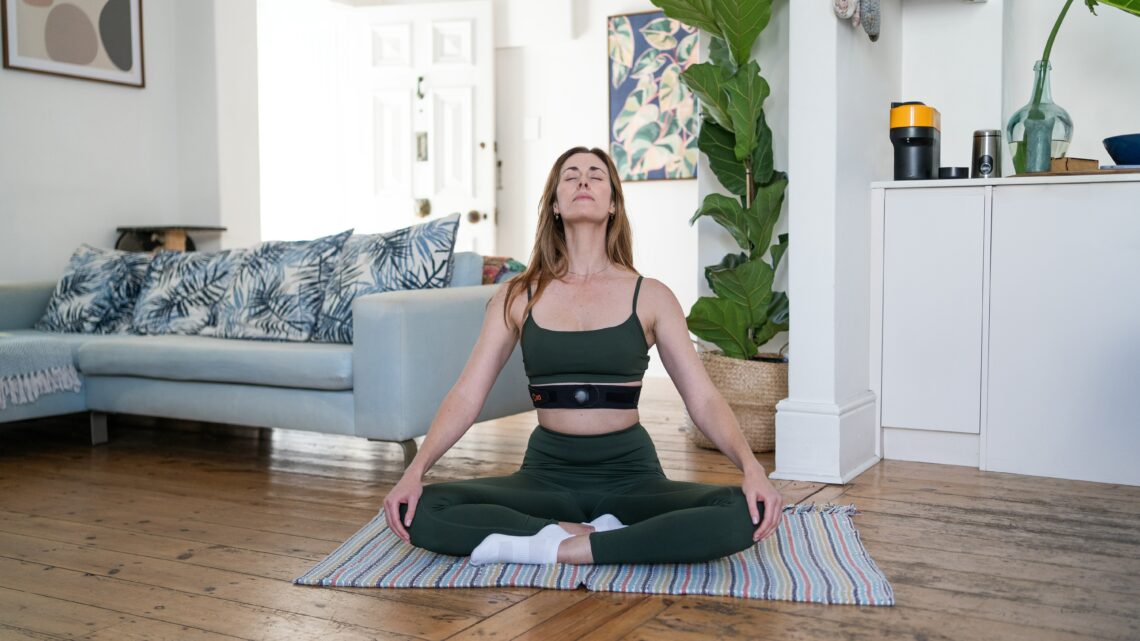
How Breath Awareness Anchors You in Moments of Emotional Overwhelm
Find calm, clarity and control through the power of conscious breathing
In the middle of an anxiety attack, a wave of anger, or emotional overload, one thing often feels hardest to do—breathe. Yet, the breath is one of the most accessible and powerful tools we have to regain control in moments of distress. Practicing breath awareness—the simple act of noticing your inhale and exhale—can ground you, calm your nervous system, and bring you back to the present.
This article explores how breath awareness anchors you in moments of emotional overwhelm, backed by science and practical tools to help you breathe with intention when life feels too heavy.
What Is Breath Awareness?
Breath awareness is the mindful observation of your breath without trying to change it. It involves focusing attention on your natural breathing rhythm and using it as a tool to bring your awareness into the present moment.
Unlike deep breathing techniques, breath awareness asks only for your attention—not control. This gentle approach makes it especially helpful in emotionally charged moments when forced breathing can feel too difficult or unnatural.
The Science Behind Breath and Emotions
Our breath and emotions are tightly connected. When we’re anxious or overwhelmed, our breathing becomes shallow, rapid, and irregular. This activates the sympathetic nervous system—commonly known as the fight-or-flight response. When we bring awareness to our breath, we start to activate the parasympathetic nervous system, which helps the body calm down.
📊 A study published in Frontiers in Human Neuroscience (2017) found that controlled breathing directly influences brain regions responsible for emotion regulation, attention, and body awareness 1.
Simply put, the way you breathe sends messages to your brain about how you’re feeling—and vice versa. By becoming aware of your breath, you can interrupt the spiral of emotional chaos.
How Breath Awareness Helps During Emotional Overwhelm
🌬️ 1. Creates a Grounding Anchor
When emotions surge, the mind races into the past or future—rehashing events or imagining worst-case scenarios. Breath awareness anchors you to the now. The breath is always happening in real-time, so turning attention to it immediately brings presence.
Try this: Focus on the sensation of air entering your nostrils. Feel it fill your lungs, then notice how your chest or belly moves as you exhale.
💓 2. Regulates the Nervous System
Even without changing the breath, simply observing it can help down-regulate stress responses. As awareness grows, breathing naturally slows and deepens, allowing the body to shift from survival mode to a more restful state.
📊 According to the Harvard Health Publishing, even just a few minutes of conscious breathing can lower heart rate and blood pressure 2.
🧠 3. Builds Emotional Awareness
Breath awareness encourages you to pause and observe your internal experience. Instead of reacting impulsively, you create space to notice what you’re feeling—without judgment. This builds emotional intelligence and self-regulation.
Mindful breathing increases activity in the prefrontal cortex, the area of the brain responsible for decision-making and emotional control.
🧍♀️ 4. Enhances Mind-Body Connection
During emotional overwhelm, many people feel disconnected from their bodies. They may go numb or feel lost. Focusing on the breath helps re-establish a connection to the body and its sensations—bringing you back into yourself.
Practical Breath Awareness Techniques
You don’t need a quiet room or meditation cushion to practice breath awareness. These techniques can be used anywhere—at your desk, in your car, or even during a difficult conversation.
1. Three-Breath Pause
A quick reset when you’re feeling triggered:
- Stop whatever you’re doing.
- Inhale and exhale naturally, three times.
- Focus only on the feeling of the breath entering and leaving the body.
This simple practice brings awareness without pressure.
2. Hand on Heart Technique
- Place one hand on your chest.
- Feel it rise and fall with each breath.
- Say silently: “In this breath, I am safe. I am here.”
Touch adds comfort and reinforces your presence.
3. Label the Breath
Mentally label each breath:
- “Inhale… Exhale…”
- Or: “Breathing in… Breathing out…”
This labeling technique helps the mind stay focused.
Real-Life Examples
- Sarah, a trauma survivor, uses breath awareness before therapy sessions to calm her nerves. “Just noticing my breath keeps me from shutting down,” she says.
- James, in early addiction recovery, says, “Whenever I feel a craving coming on, I breathe into it. It doesn’t fix everything, but it gives me a chance to choose differently.”
Breath Awareness vs. Deep Breathing
It’s important to distinguish breath awareness from controlled or deep breathing.
| Breath Awareness | Deep Breathing |
| Passive observation | Actively changes breath |
| Can be done anytime | Sometimes requires quiet space |
| Focuses on sensation | Focuses on rhythm or depth |
| Ideal during high-stress | Better during calm practice sessions |
For many people in emotional overwhelm, breath awareness feels more accessible and less invasive than techniques that require breath manipulation.
Tips for Building a Breath Awareness Practice
- Practice daily even when you’re not overwhelmed. It builds muscle memory for difficult moments.
- Pair it with routines—like brushing your teeth or starting your car.
- Keep it short—even one minute of mindful breathing makes a difference.
- Be kind to yourself if your mind wanders. Gently return to the breath.
Breath awareness is a practice, not a performance.
Final Thoughts
In moments of emotional overwhelm, the breath becomes more than a life-sustaining function—it becomes a lifeline. Breath awareness anchors you, offering a pathway back to calm, clarity, and control. It doesn’t take away the pain, but it gives you the strength to face it.
By learning to pause, notice your breath, and stay present with yourself, you build resilience. You prove, breath by breath, that you can meet even the hardest emotions with grace.
“Feelings come and go like clouds in a windy sky. Conscious breathing is my anchor.” – Thich Nhat Hanh
References
- Zaccaro, A., et al. (2017). How breath control can change your life: A review on the effects of breathing techniques on the brain and body. Frontiers in Human Neuroscience, 11, 353. ↩
- Harvard Health Publishing. (2020). Relaxation techniques: Breath control helps quell errant stress response. https://www.health.harvard.edu ↩


You May Also Like

Unlock Productivity in Style with the All-New HONOR Pad 10, Priced at Php 17,999!

PH338 Glutathione Review – My First Brand
